


SCAI Therapeutics Initiates Development of an ‘Inlyta-Based’ Ophthalmic Drop for the Treatment of Macular Degeneration
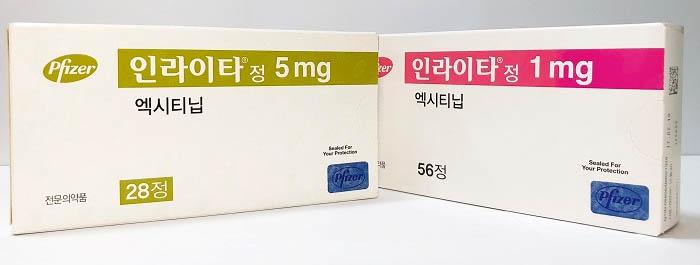
A Korean Bioventure Begins Clinical Development of an Inlyta-Based Ophthalmic Drop for Age-Related Macular Degeneration Clinical development is underway in Korea to repurpose Inlyta (axitinib)—Pfizer’s well-known renal cell carcinoma drug—into an ophthalmic eye drop for the treatment of wet age-related macular degeneration (AMD).
SCAI Therapeutics, a bioventure specializing in drug-delivery technologies, announced on the 1st that it has received Investigational New Drug (IND) approval from the Ministry of Food and Drug Safety (MFDS) for SCAI-005.
The Phase 1 study will evaluate the safety, tolerability, and pharmacokinetic profiles of single and multiple doses of the SCAI-005 ophthalmic solution in healthy adults.
SCAI-005 is a reformulated ophthalmic incrementally modified drug candidate based on Inlyta, a tyrosine kinase inhibitor (TKI) that targets vascular endothelial growth factor (VEGF) receptors, suppressing VEGF signaling and blocking the formation of new blood vessels.
Under normal physiological conditions, new blood vessels deliver oxygen and nutrients to surrounding tissues. However, cancer cells also exploit VEGF to promote excessive angiogenesis, supplying themselves with essential resources—hence Inlyta’s development as a targeted kidney cancer therapy.
Over time, VEGF has also been found to play a key role in the pathological angiogenesis characteristic of wet AMD, driving strong interest in VEGF inhibitors as next-generation AMD treatments.
AMD is a retinal disease caused by degenerative changes in the macula, the central region of the retina responsible for detailed vision. Although wet AMD accounts for only 10–15% of AMD cases, it progresses rapidly and is a major cause of severe vision loss.
In wet AMD, excessive VEGF expression leads to abnormal subretinal neovascularization under the macula. These newly formed vessels are fragile and prone to leakage, resulting in retinal hemorrhage, edema, and scarring, ultimately causing blindness within months if left untreated.
Current standard treatments for wet AMD are anti-VEGF antibody drugs, which selectively inhibit VEGF and effectively suppress neovascularization. Compared with TKIs such as Inlyta, antibody therapies exert much stronger VEGF inhibition and are considered the most effective treatment available.
However, anti-VEGF therapies must be administered through intravitreal (IVT) injections, which involve inserting a needle directly into the vitreous cavity of the eye—an invasive procedure associated with fear, discomfort, and treatment burden for patients.
To address this unmet need in AMD care, SCAI Therapeutics aims to develop a more convenient treatment option by reformulating Inlyta as an eye drop.
Of course, Inlyta is an oral TKI, and TKIs generally offer weaker VEGF inhibition compared to antibodies. Increasing the dose to enhance efficacy would only heighten systemic exposure and adverse effects.
This explains SCAI Therapeutics’ rationale for developing SCAI-005, an ophthalmic formulation of Inlyta designed to deliver the drug locally to the macula and surrounding tissues, potentially achieving VEGF-inhibitory effects comparable to IVT therapy while minimizing systemic side effects.
In fact, at the 2021 ARVO Annual Meeting, SCAI Therapeutics presented preclinical data comparing eye-drop formulations of three different TKIs—including axitinib—with Eylea (aflibercept), the leading wet AMD therapy.
In mouse models, all three TKI-based eye drops demonstrated efficacy comparable to Eylea, with the axitinib-based candidate showing the strongest therapeutic effect.
Given these findings, SCAI-005 is expected to emerge as a strong competitor to Eylea, the current standard of care in wet AMD, particularly by offering superior dosing convenience.
Meanwhile, the domestic substance patent for Inlyta expired in July 2022, enabling Korean companies to more easily pursue generic or incrementally modified drug development based on axitinib.
Original article source: 헬스코리아뉴스 (Health Korea News)
Source link: http://www.hkn24.com/news/articleView.html?idxno=343856